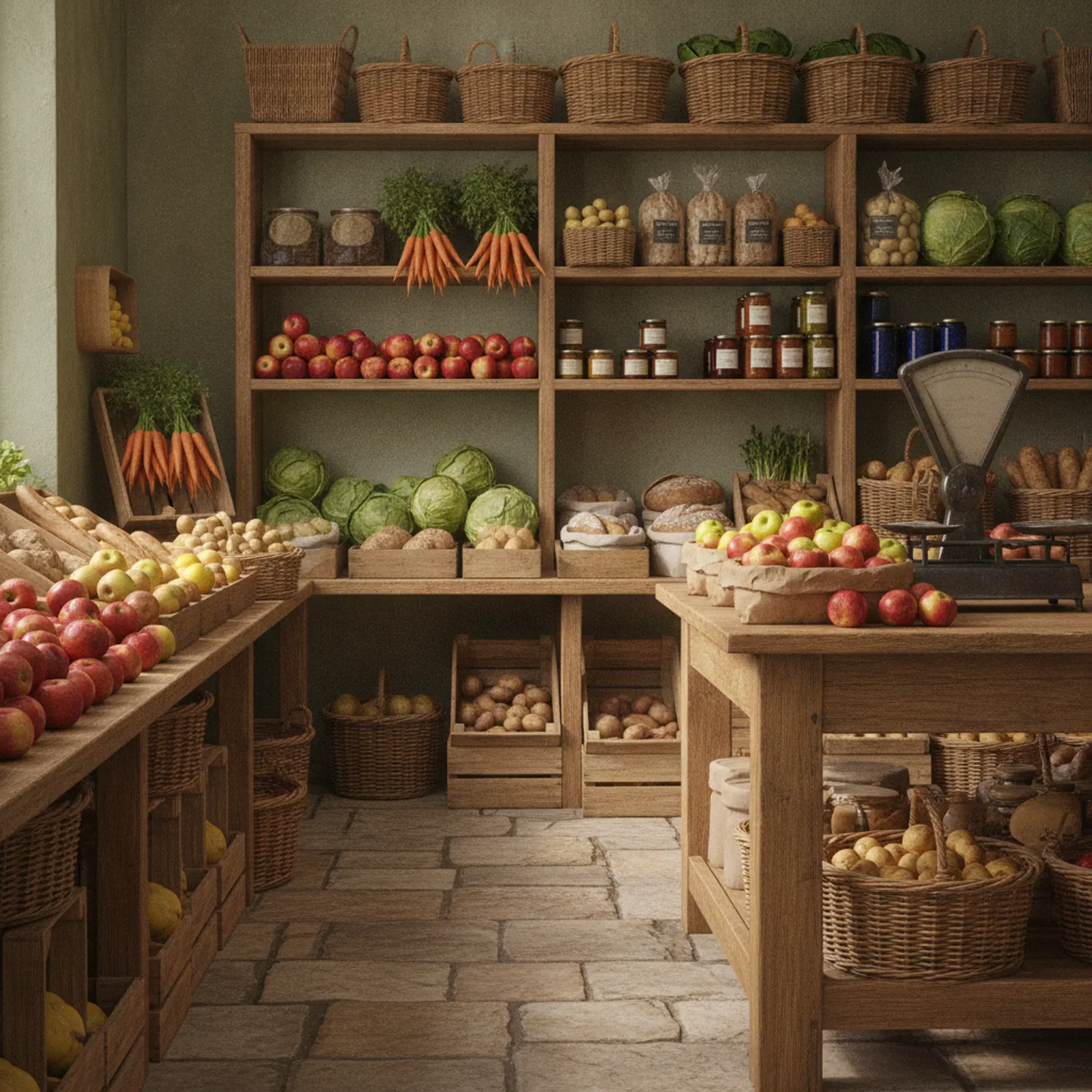
Suffolk has a rich food and drink scene. Breweries such as Adnams in Southwold and Greene King in Bury St Edmunds are well known, but there are also hundreds of smaller producers: cider makers, bakers, cheesemakers, charcuterie, preserves, rapeseed oil, gin distilleries, farm shops and meat boxes. Many now sell direct online, and most compete with much larger retailers for the same searches.
Here is how small Suffolk producers can use SEO to win a fair share of online sales.
Start with your category pages
Product pages get a lot of attention, but for most online food shops the most valuable searches land on category pages: "craft cider gift set", "local honey", "Suffolk sausages delivered", "hampers". These searches are broader than a single product, and Google often ranks category pages for them.
Most small shop category pages are just a grid of products. Add a short, useful introduction above or below the grid explaining what is in the range, how it is made, delivery details and who it suits. Keep it helpful rather than stuffed with keywords. Make sure each category is linked from your main menu.
Write your own product descriptions
If you stock other producers' goods as well as your own, avoid using the manufacturer's description. Dozens of other shops will have the same text, and Google has no reason to rank yours. Even a few sentences of your own, covering taste, use, origin and pairing ideas, help.
For your own products, say what makes them distinctive. Where are the ingredients from? Which farm grew the apples? How long is the cheese aged? These details persuade buyers and give search engines specific information to match.
Provenance is your advantage
Large retailers cannot easily tell the story of where their products come from. You can. A page about your farm, your process and your suppliers builds trust, and it is the kind of content food writers, bloggers and local press link to. Links from respected food sites are among the most valuable a small producer can earn.
Be specific and accurate. If you say your barley comes from a particular part of Suffolk, make sure it does. Provenance claims need to be true, and some are covered by labelling rules.
Plan for gift seasons
Food and drink gifts follow a predictable calendar: Christmas, Father's Day, Mother's Day, Valentine's Day, Easter and summer barbecue season. Search interest builds weeks before each one.
- Create gift pages or collections that stay live year-round, and update them each season rather than creating new URLs every time. That way they build ranking strength over the years.
- Publish gift guides well ahead of each season.
- Make delivery cut-off dates clear and easy to find.
Add product structured data
Product schema tells Google the price, availability and review rating of each product. It can make your listing show extra information in search results, and it supports free product listings in Google Shopping. Most modern e-commerce platforms add basic product schema automatically, but it is worth checking it is complete and error-free using Google's Rich Results Test.
Use Google Merchant Center
Google lets retailers show products in the Shopping tab and other surfaces for free. Setting up a Merchant Center account with an accurate product feed is one of the easiest ways for small producers to get extra visibility. Keep prices, stock and images in the feed up to date.
Handle out-of-stock products carefully
Seasonal and small-batch products often run out. Do not delete the page when that happens. Keep it live, mark it as out of stock and, ideally, let customers sign up to be notified. If a product is gone for good, redirect its page to the closest alternative or the relevant category. Deleting pages throws away the ranking strength they have built.
Do not forget local search
If you have a farm shop, a taproom or market stall as well as an online shop, a Google Business Profile is essential. It helps local customers find you and adds credibility for online buyers checking you out. Make sure your hours, photos and product information are kept up to date.
Content that people actually want
Recipes, serving suggestions, food pairing guides and behind-the-scenes posts about production can all attract searches and links. Write about what you know. A cider maker explaining the difference between apple varieties, or a butcher explaining how to cook a particular cut, is useful in a way generic content is not.
Keep the site fast
Food sites are image-heavy, which can make them slow. Compress images, use modern formats like WebP, and avoid installing too many apps or plugins. A fast site keeps shoppers browsing and helps rankings.
In summary
Strengthen category pages, write your own product copy, tell your provenance story, plan for gift seasons, use structured data and Merchant Center, and handle stock changes carefully. None of this needs a large budget; it needs consistent attention.
Our e-commerce SEO service is built for exactly this kind of shop.
Product page checklist for food and drink
- A unique description covering taste, ingredients, origin and how it is made.
- Allergen information in text, not only in an image of the label.
- Weight, size, shelf life and storage instructions.
- Clear delivery information, including chilled delivery if relevant.
- Product structured data with price and availability.
- Good photos: the product, the packaging and the product in use.
- Links to related products and to the category page.
Where food and drink links come from
| Source | How to earn it |
|---|---|
| Stockists and farm shops | Ask them to list you with a link on their suppliers page |
| Food festivals and markets | Exhibitor listings, such as the Aldeburgh Food and Drink Festival at Snape |
| Food writers and bloggers | Send samples with a genuine story about the product |
| Awards and trade bodies | Entries and membership listings, where you genuinely qualify |
| Recipe content | Useful recipes using your product that others want to share |
Plan around the food calendar
Seasonal demand in food and drink is strong. Gift hampers, Christmas drinks and seasonal produce all need pages that are live and indexed well before the peak. Reuse the same URL each year and update it, so it keeps the strength it has built.
The takeaway: your story is your advantage. Detailed product pages, provenance content about Suffolk and links from stockists and festivals help small producers compete with national brands.
See our e-commerce SEO service and our page on Bury St Edmunds.